

Date: 10 February 2026
Subject: English
Topic: Email Writing
1. Introduction
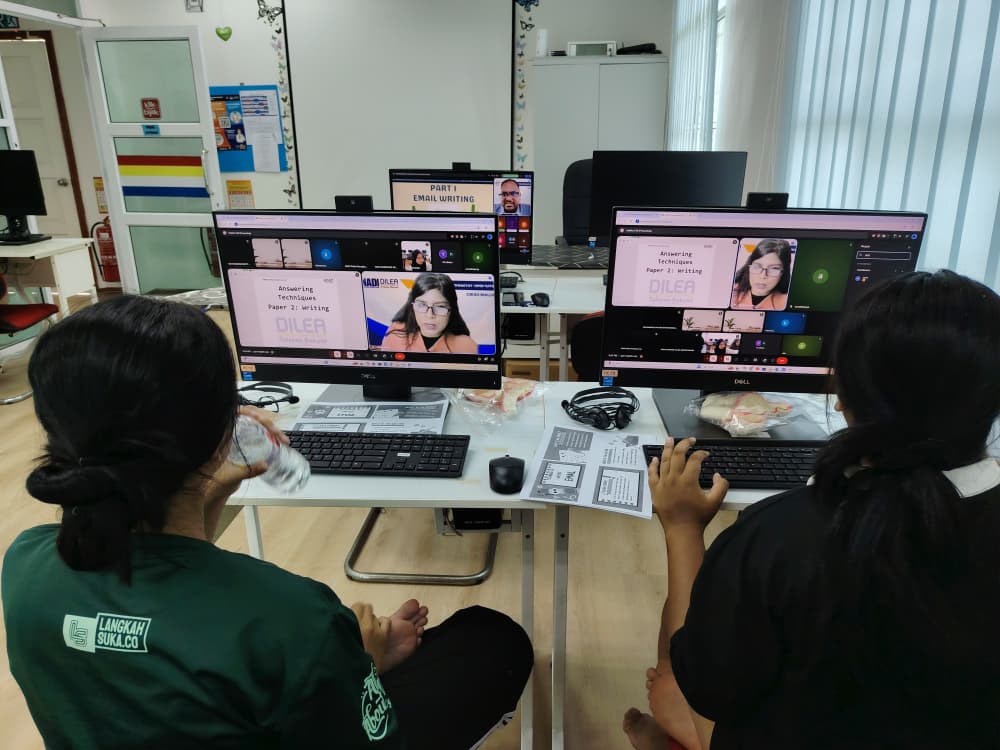
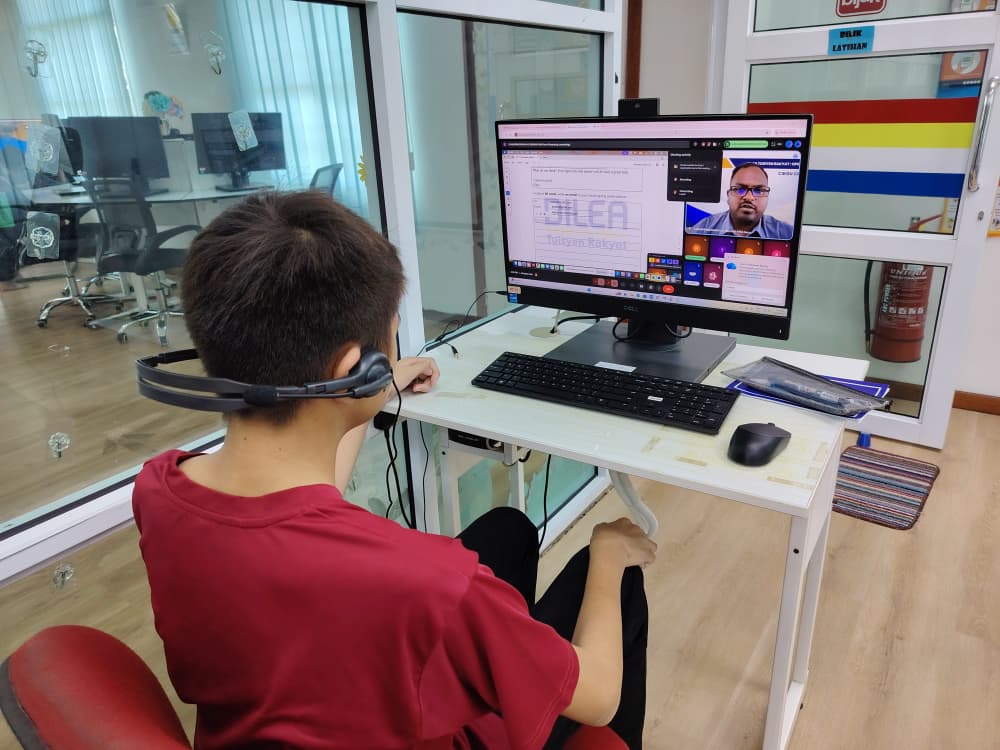
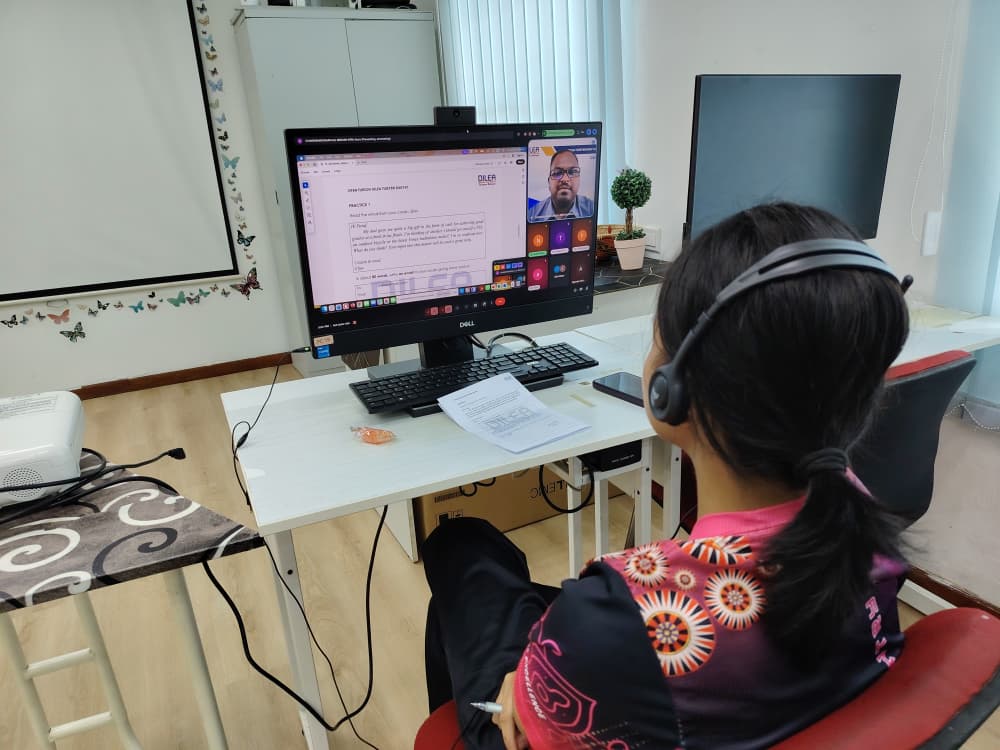
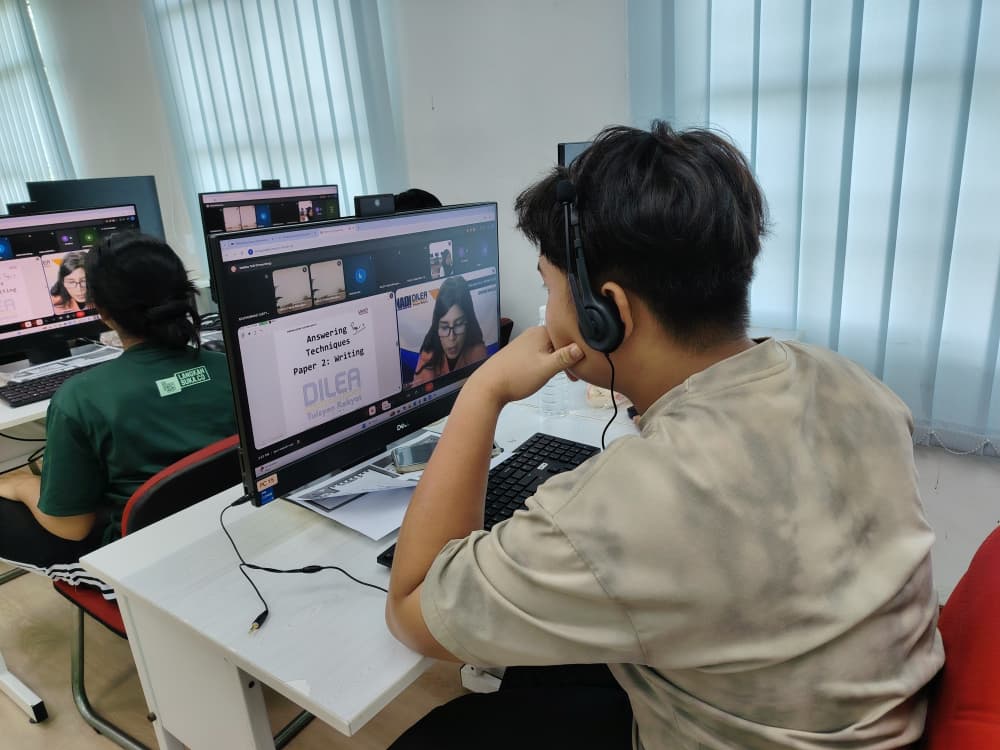
An English class under the DILEA Tuition Rakyat programme was conducted on 10 February 2026. The lesson focused on email writing, a key component of English Paper 2 (1119/2). The session aimed to equip students with the correct format, techniques, and strategies to write effective non-formal emails for examination purposes.
2. Teaching Materials
The lesson was conducted using structured Email Writing Technique materials. The materials included:
- Explanation of what an email is and its purpose
- Examination format for English Paper 2 (Question 1 – Email Writing)
- Word limit (approximately 80–100 words)
- Assessment criteria such as content, organisation, communicative achievement, and language
- Sample email questions and model answers
- Step-by-step guidance on planning and writing an email
3. Objectives
The objectives of the lesson were to:
- Familiarise students with the correct email format
- Help students identify keywords and questions in the task
- Improve students’ ability to organise ideas clearly
- Enhance confidence in writing non-formal emails for examinations
4. Tips and Good Techniques for Writing an Email
Students were taught several important tips and techniques to improve their email writing skills, including:
- Identify keywords in the question to ensure all parts are answered
- Use the correct format, including greeting, paragraphs, and proper ending
- Write at least three paragraphs to organise ideas clearly
- Maintain an appropriate tone, especially for non-formal emails to friends or family
- Respond to every question asked in the email prompt
- Use simple and clear sentences to avoid grammatical errors
- Check spelling, grammar, and punctuation before ending the email
- End the email politely with suitable closing expressions
These techniques helped students understand how to score better by meeting examination requirements.
5. Activities Conducted
The teacher explained the email structure and demonstrated how to respond to an email question step by step. Students were guided to plan their responses before writing.
Sample questions were discussed, and students practised writing short emails based on given situations. Feedback and corrections were provided to improve sentence structure, vocabulary, and overall clarity.
6. Outcomes
By the end of the session, students were able to:
- Understand the format and requirements of email writing
- Apply appropriate techniques when answering email questions
- Write a clear and organised non-formal email
- Respond effectively to examination-style email tasks
7. Conclusion
The English lesson on email writing was successfully conducted using effective teaching materials and structured techniques. The tips and strategies provided helped students improve their understanding and performance in email writing. Overall, the session achieved its objectives and contributed positively to students’ English writing skills.